

Xia
28 • Beijing
From Japan's kokuhaku confession to Thailand's sin sod tradition - understand the courtship customs that shape relationships across Asia before you connect.
Meet Asian Women NowAsian dating culture is not a single set of rules - it is a rich tapestry of traditions shaped by religion, history, geography, and modernization across more than 40 countries. A man pursuing a relationship with a Chinese woman faces entirely different courtship expectations than one connecting with a Vietnamese woman or an Uzbek woman. Understanding these differences is the single greatest predictor of success in cross-cultural romance.
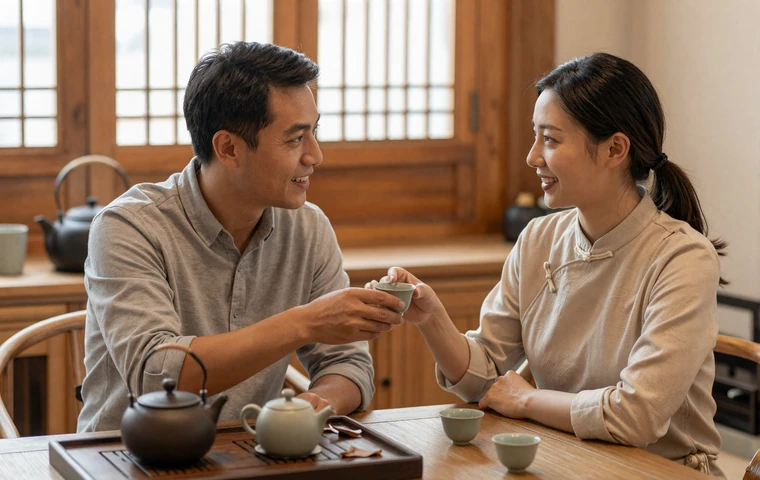
On Gocupidgo Asians, we connect Western men with women from 33 Asian nationalities. Our most successful members share one trait: they research and respect the cultural context of the women they're interested in. This guide walks you through the major regional dating traditions so you can approach every conversation with confidence and genuine cultural appreciation.
Whether you are exploring East Asian elegance, Southeast Asian warmth, or South Asian family-centered courtship, the insights below will transform your dating experience from uncertain to intentional.
The three major cultural zones of Asia produce markedly different approaches to romance, family involvement, and relationship progression. The table below captures the essential contrasts every Western man should understand.
| Aspect | East Asia (China, Japan, Korea) | Southeast Asia (Philippines, Thailand, Vietnam) | South & Central Asia (India, Pakistan, Uzbekistan) |
|---|---|---|---|
| Courtship Style | Structured and deliberate - formal confessions, milestone-driven timelines | Warm and expressive - chivalrous gestures, open emotional communication | Family-mediated - arranged introductions common, group courtship settings |
| Family Role | Parental approval expected before marriage; family pressure to marry by late 20s | Family deeply involved; meeting parents is an early milestone, not a late one | Family is the primary decision-maker; elder blessing often required before dating progresses |
| Religious Influence | Confucian values, Buddhist philosophy - respect for hierarchy and harmony | Catholic (Philippines), Buddhist (Thailand, Cambodia), Islamic (Indonesia, Malaysia) | Hindu, Islamic, Buddhist traditions deeply shape courtship expectations and marriage customs |
| Communication | High-context, indirect - reading between the lines is essential | Warm, direct emotionally - affection expressed openly, hospitality-driven | Respectful formality - honorifics matter, modesty in mixed company |
| Physical Intimacy Timeline | Gradual - physical contact follows emotional commitment declaration | Moderate - varies by country; Filipino culture is more reserved than Thai | Conservative - physical intimacy typically reserved for engagement or marriage |
| Key Dating Tradition | Kokuhaku (Japan), 100-day celebrations (Korea), marriage markets (China) | Sin sod (Thailand), pamamanhikan (Philippines), barlake (Timor-Leste) | Kalyng (Central Asia), sep/dowry customs, arranged introductions (India) |
These are generalizations - individual women vary widely. But understanding the cultural baseline helps you avoid unintentional offense and shows her that you've done your homework. Explore specific nationalities in detail: Chinese women dating, Indian women dating, Vietnamese women dating, and Uzbek women dating.
In Japanese dating culture, a relationship does not officially begin until one person makes a formal confession of feelings called kokuhaku (告白). Unlike Western dating where exclusivity develops gradually, kokuhaku is a defining moment - a clear verbal declaration such as "Tsukiatte kudasai" (please go out with me). Until this confession occurs, both parties are considered single regardless of how many dates they've shared. This means that casual dating as Westerners understand it barely exists in traditional Japanese courtship. For Western men connecting with Japanese women, understanding kokuhaku prevents the common mistake of assuming exclusivity too early - or too late.
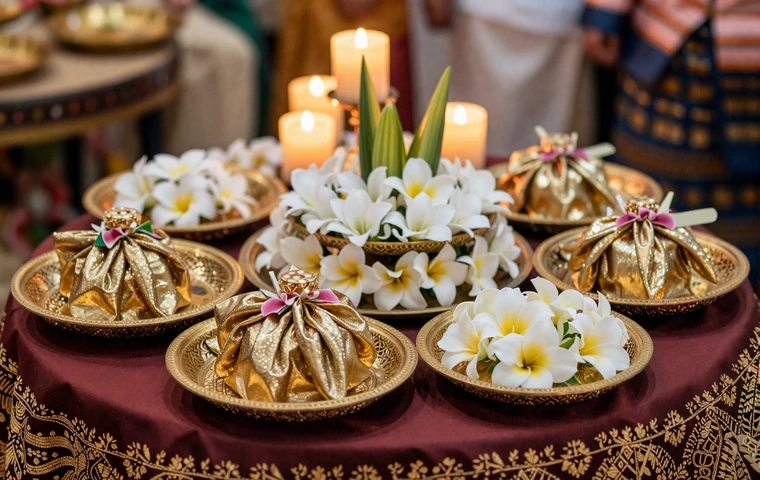
Sin sod (สินสอด) is a customary payment or gift from the groom's family to the bride's family in Thai culture. It symbolizes respect for her upbringing and demonstrates the groom's financial stability. Amounts vary dramatically - from symbolic gestures in rural communities to significant sums among urban families. Many modern Thai families return part or all of the sin sod after the ceremony as a gift to the couple. Western men dating Thai women should discuss this tradition openly rather than avoiding it. Understanding sin sod as a cultural gesture of respect - not a transaction - is key to earning her family's trust.
Across Kazakhstan, Kyrgyzstan, and parts of Uzbekistan, kalyng (калың) is the traditional bride price paid by the groom's family to the bride's parents. Rooted in nomadic pastoral culture, kalyng historically included livestock, textiles, and household goods. In 2026, kalyng often takes the form of cash payments, jewelry, and ceremonial gifts. The practice carries deep significance - it acknowledges the bride's family's investment in raising her and cements the bond between two kinship networks. For men interested in Kazakh or Kyrgyz women, approaching kalyng with respect rather than resistance builds immediate trust with her family.
In Filipino courtship, pamamanhikan is a formal visit by the man and his family to the woman's home to ask her parents' permission for marriage. It is deeply rooted in Catholic family values and demonstrates the man's seriousness and respect. The visit involves sharing a meal, presenting the man's intentions clearly, and sometimes negotiating wedding details. Filipino families view pamamanhikan as non-negotiable - skipping it can damage the relationship irreparably. Men connecting with Filipino women on Gocupidgo should plan for this milestone early and approach it with reverence.
Language barriers extend far beyond vocabulary. The way meaning is conveyed - directly or indirectly, verbally or through context - varies dramatically across Asian cultures. Misreading these signals is one of the most common reasons cross-cultural relationships stall.
In East Asian communication, what is not said often matters more than what is spoken. Japanese women may express discomfort through silence or subtle topic changes rather than direct refusal. Korean women use context, timing, and tone to convey layers of meaning. Chinese communication values harmony - direct confrontation is avoided in favor of indirect suggestion. For Western men accustomed to explicit verbal communication, this requires a mindset shift: listen for subtext, watch body language, and never assume silence means agreement.
Southeast Asian communication styles tend to be warmer and more emotionally open. Filipinas are known for directness about feelings paired with gentle humor. Thai women balance warmth with the cultural concept of kreng jai - reluctance to impose on others - which can look like agreeableness when she actually has reservations. Vietnamese women value sincerity and can be surprisingly candid once trust is established. Across the region, hospitality and emotional generosity define how women communicate romantic interest.
South Asian and Central Asian communication in romantic contexts is shaped by family involvement and social propriety. Indian women may defer to family opinions in early courtship stages, even if they personally feel strongly about a partner. In Pakistani and Bangladeshi contexts, conversations may initially occur through family intermediaries. Central Asian women from countries like Uzbekistan blend Soviet-era educational confidence with traditional family respect - they are articulate and opinionated but deeply respectful of elders in family settings.
Asian dating culture is beautifully diverse - from Japan's structured kokuhaku to the Philippines' family-centered pamamanhikan to Central Asia's kalyng tradition. The common thread across all regions is that family, respect, and intentional courtship define romantic success. Western men who invest time in understanding these cultural foundations before their first message consistently build deeper, more authentic connections.
Every cultural tradition described here exists on a spectrum - urban women may follow modern norms while rural families maintain traditional practices. The key is approaching each woman as an individual within her cultural context. Ready to experience these rich cultures through genuine connection? Browse verified profiles on Gocupidgo Asians and start your cross-cultural journey today.
28 • Beijing

26 • Delhi
25 • Ho Chi Minh City
27 • Tashkent
29 • Kyoto

24 • Davao

26 • Chiang Rai

28 • Incheon